Tragic Drowning Fatality

andrew-ryan-benjamin-harb

‘Tragic Drowning Fatality’, Siteworks 2016, Bundanon, Martyn Jolly and Alexander Hunter

performance-at-siteworks

‘Tragic Drowning Fatality’, Siteworks 2016, Bundanon, Martyn Jolly and Alexander Hunter

perfromance-at-bundanon-2

‘Tragic Drowning Fatality’, Siteworks 2016, Bundanon, Martyn Jolly and Alexander Hunter

Tragic Drowning Fatality, Siteworks 2016, Bundanon, Martyn Jolly and Alexander Hunter

Tragic Drowning Fatality, Siteworks 2016, Bundanon, Martyn Jolly and Alexander Hunter

jack-livingston-chloe-hobbs

‘Tragic Drowning Fatality’, Siteworks 2016, Bundanon, Martyn Jolly and Alexander Hunter

Some images taken by Alex Hobba of the magic lantern performance ‘Tragic Drowning Fatality’ performed by Martyn Jolly and Alexander Hunter at Siteworks 2016, Bundanon, with: thirty original magic lantern slides from the 1880s to the 1920s; two JW Steward magic lanterns from the 1880s dissolving one slide projection into another; members of the ANU Experimental Music Ensemble (Ben Harb, Andrew Ryan, Jack Livingston and Chloe Hobbs) on double bass, guitar and percussion; and actors from the region (Kez and Libby Thompson, Peter Lavelle and Clare Jolly) reading verbatim coronial testimony of an actual double drowning that happened in the Shoalhaven River in 1922.

@heritageinthelimelight

https://www.facebook.com/HeritageintheLimelight/

 

‘We apologise for the inconvenience’

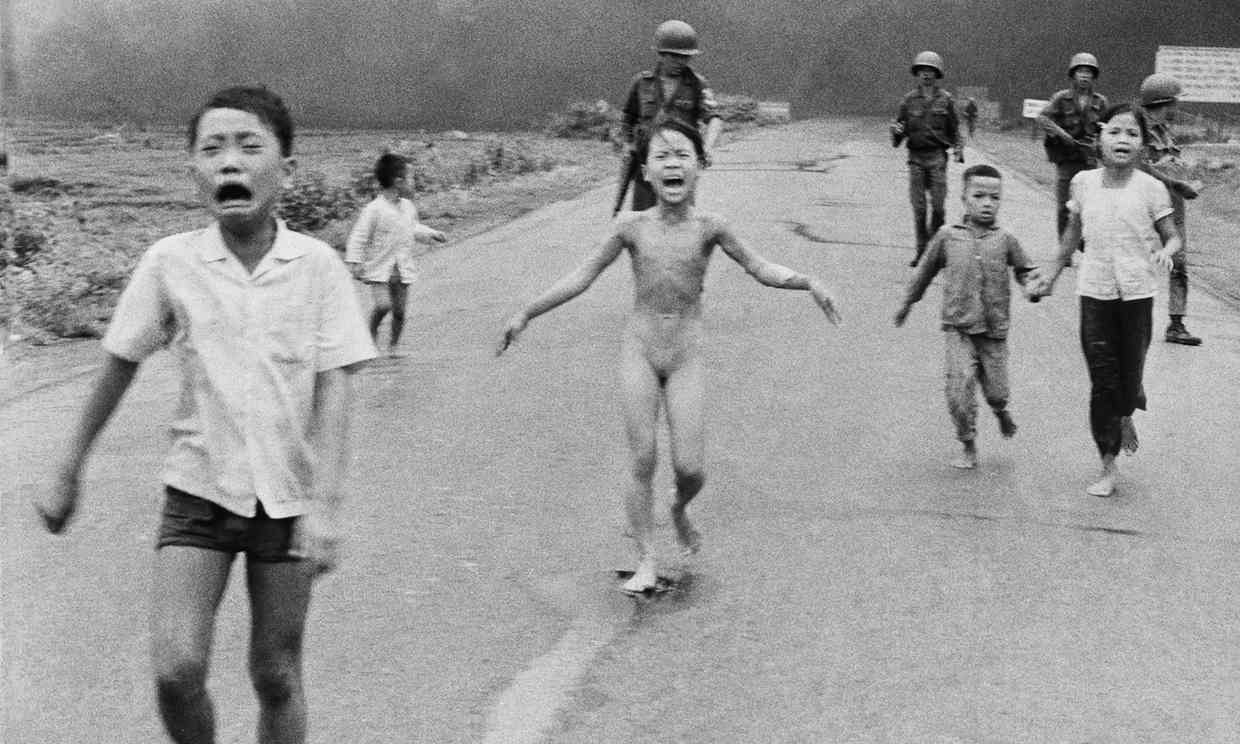
“We understand that these limitations will sometimes affect content shared for legitimate reasons, including awareness campaigns or artistic projects, and we apologise for the inconvenience.” Facebook on the removal of the Pulitzer Prize winning photograph The Terror of War by Nick Ut.

‘We apologise for the inconvenience’ is a curious turn of phrase for Facebook to use. It’s something a big company tells a little person when something inevitable is about to happen and there’s nothing they can do about it – a major road widening, or a server upgrade, say. It’s not something you expect to hear when an entire sphere of public discourse is morally recalibrated. Was it an entirely digital algorithm that sampled the pixels in Ut’s photograph, calculated ‘naked child’, and automatically executed the function ‘delete’. Or was it a lowly paid, poorly educated, Facebook shift worker who saw a naked child and knew that there was only one rule to follow in the Facebook rulebook: ‘delete’. Either way, Zuckerberg’s convenient contention is that Facebook is just a technical ‘platform’, so that such chilling acts of censorship, which are occurring frequently in other cases involving breasts or photographs of family intimacy,  are just an inconvenience to be met with a begrudging and hollow apology. The alternative seems to be that Facebook is a publisher, and therefore needs editors with a depth of cultural knowledge and personal agency. The former is toxic for the way we are all forced to rely on Facebook as the only game in town, and the latter obviously doesn’t fit Zuckerberg’s globally rapacious business model.