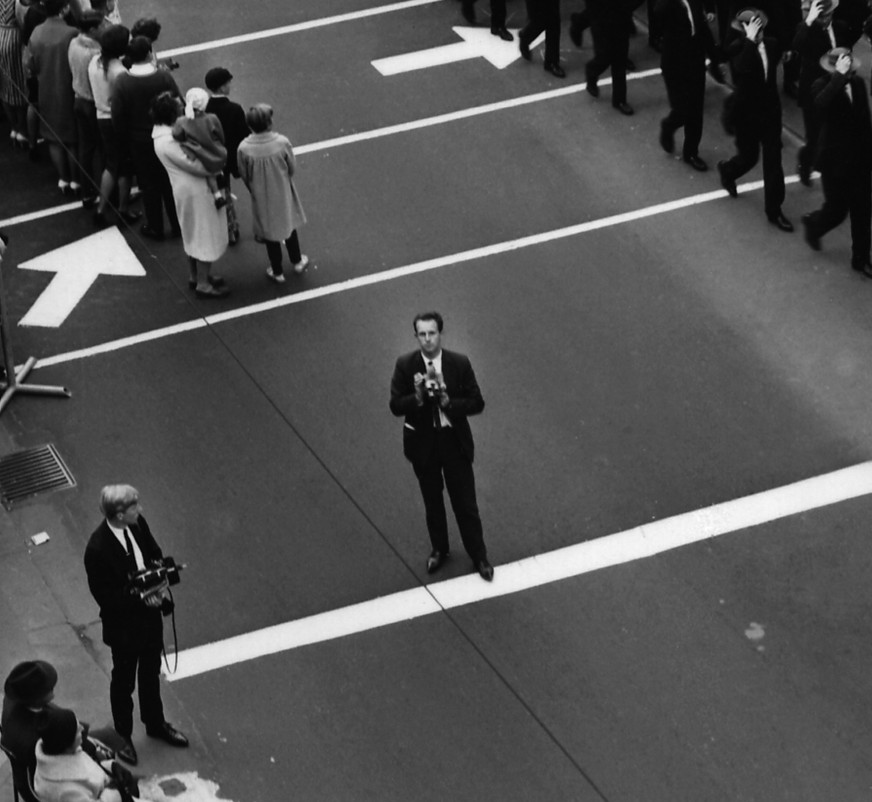
Thank you Professor Geoffrey Batchen for your rigorous review in the History of Photography journal of Daniel Palmer and myself’s book Installation View: Photography Exhibitions in Australia 1848-2020.
Category Archives: Blog
Postponed: Installation View Launch Upcoming at Centre for Contemporary Photography, Melbourne.
Postponed: Perimeter and CCP are thrilled to present a panel discussion to celebrate the publication of Daniel Palmer and Martyn Jolly’s major book Installation View: Photography Exhibitions in Australia (1848-2020), the result of an extensive research project. Hosted here at CCP the panel will feature Palmer and Jolly in conversation with Judy Annear, writer and Honorary Fellow at the University of Melbourne School of Culture & Communication, and Pippa Milne, Senior Curator at Monash Gallery of Art.
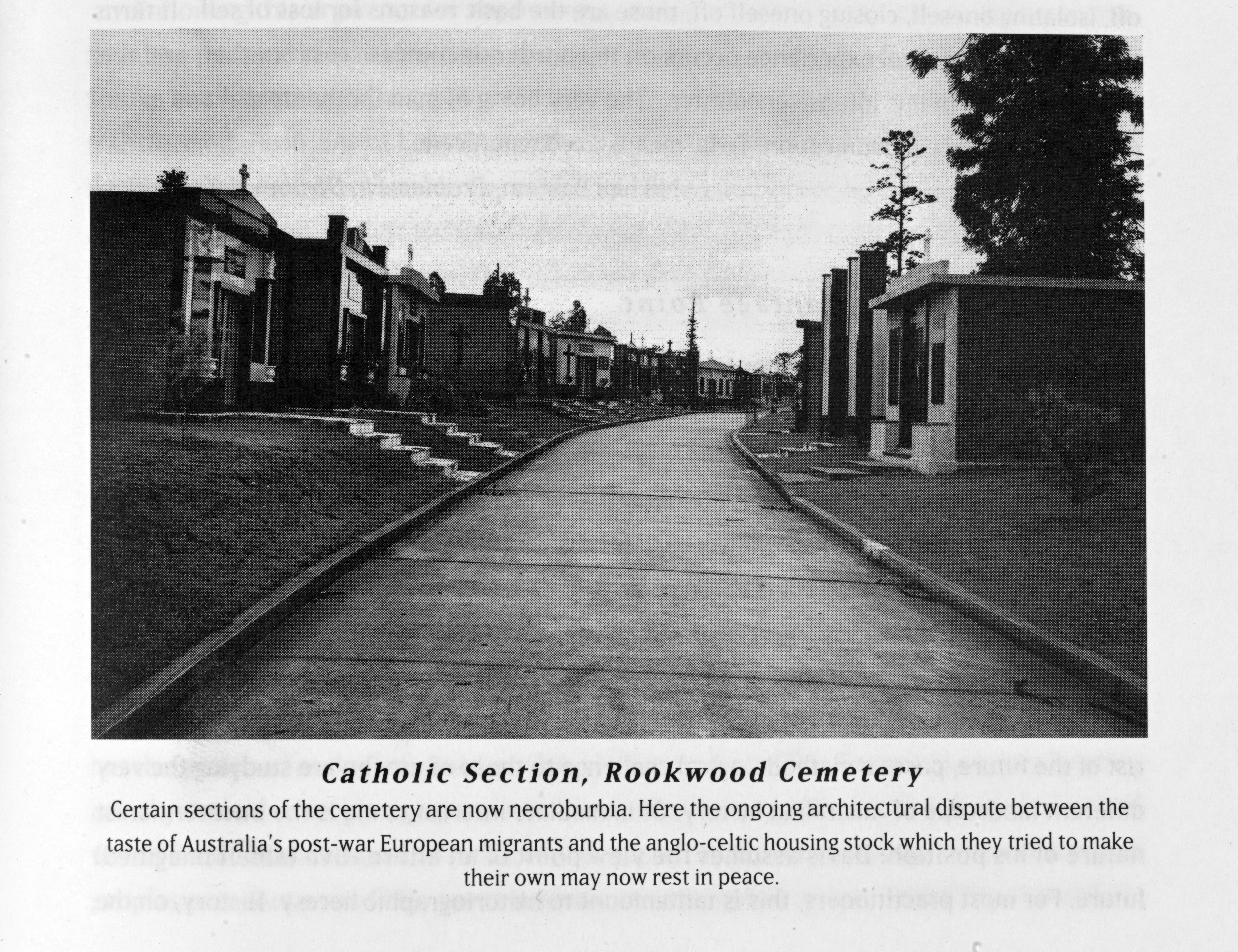
Seven Sydney Dystopias, 1993.
Pages 68 — 71 of west 6/7, 1993, ‘out of the intermix’, edited by Colin Hood (University of Western Sydney).
I can’t remember why Colin and I didn’t call it ‘Seven Sydney Heterotopias’, since it’s obviously inspired by Foucault. It was shot on my Linhof 6×9.


An ‘Australian art from archives’ article from 2014.
‘Big Archives and Small Collections: Remarks on the Archival Mode in Contemporary Australian Art and Visual Culture’, Public History Review, Vol 21 (2014), pp60-80.

David Wills, Wunderwall, installation of several thousand inkjet photographs at ANU School of Art Gallery, 4.5 x 26.25 metres, 2009
Review of ‘Installation View’ in the ‘Canberra Times’, 16 October 2021.

Listen to us in Conversation with Helen Ennis at PhotoAccess.
‘Installation View’ in The Conversation
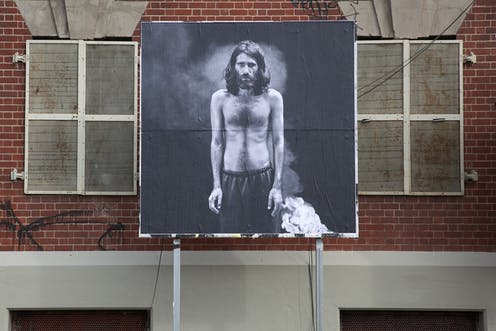
Photograph by Leela Schauble. Courtesy the artist.
https://theconversation.com/friday-essay-10-photography-exhibitions-that-defined-australia-166755
On ‘Hey Hey It’s Saturday’
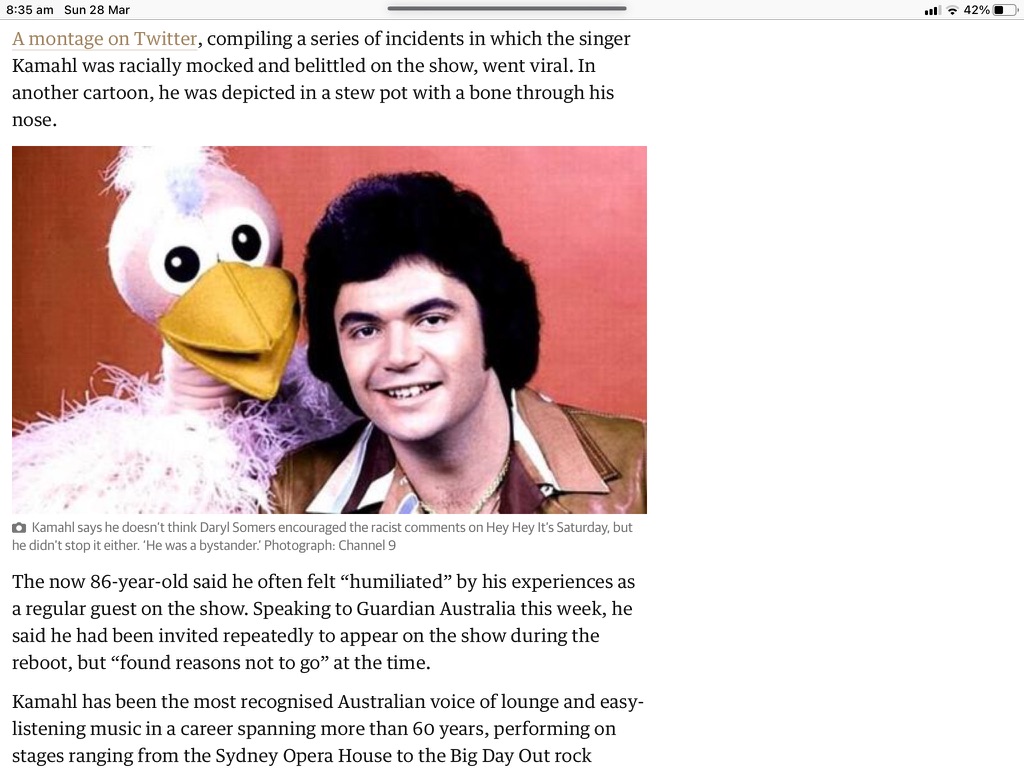
As a young snob I used to enjoy ‘Hey Hey It’s Saturday’ in an ironic way, but I enjoyed it nonetheless. It really was a televisual manifestation, and a direct continuation, of Australian vaudeville, which reaches right back to the middle of the nineteenth century. Researching Australian spectacular visual culture in the nineteenth century I realized that touring black-face minstrel troops such as the ‘Ethiopian Serenaders’, the ‘Congo Minstrels’ and similar, were a popular and integral part of that Australian theatre tradition from the early 1840s. The racist mocking of Black people was central to the genre everywhere. Early on, black face minstrelsy was a marker of up-to-the-minute international modernity, later it was a marker of nostalgia. For instance I sometimes watched on Channel 2, with my grandmother, the BBC’s ‘The Black and White Minstrel Show’. It ran until 1978. I didn’t enjoy it as much because it was presented as nostalgia for ‘the good old days’ to an elderly TV audience who would themselves have seen the original music hall and vaudeville shows. For most of ‘Hey Hey’s’ demographically wider audience racist black-face was no longer direct nostalgia, but it still had enough residual power to be part of its weekly ‘familial ritualistic loosening up’, giving permission for younger viewers to go out later in the evening and have a good time, and for older viewers to retire safe in the knowledge that things weren’t changing all that much. This isn’t to excuse the racism of ‘Hey Hey It’s Saturday’, it’s to put it in its larger historical context.
(re)create art and the activation of heritage
One-day symposium, Wednesday 21 April 2021, 8:45am-5pm
Ann Harding Conference Centre, University of Canberra
re)create is a one-day symposium exploring the role of creative art practice in the activation of heritage places, practices and projects. Artists are adept at generating new perspectives on seeing, feeling and thinking. In doing so they play an important role in urging us to consider how we perceive and value the world around us.
(re)create brings together artists, curators, heritage professionals and other researchers to explore the new perspectives that art can bring to heritage interpretation, engagement, community participation and collective problem-solving. Speakers will discuss their involvement in reanimating archives, reimagining histories, place and ecologies, and drawing inspiration from collections and things. Whether it be the activation of dormant seed banks, endangered mammals on the edge of suburbia, or the values of mid-century modern buildings, art has a role to play in how we frame our future heritage.
Keynote Speaker:
Stuart Jeffrey (Glasgow School of Art)
Keynote Speaker:
Stuart Jeffrey (Glasgow School of Art
Speakers include:
Tessa Bell, Elisa de Courcy, Ursula Frederick, Katie Hayne, Cathy Hope, Tracy Ireland, Edwina Jans, Martyn Jolly, Martin Rowney, Joanne Searle, Erica Seccombe, Tim Sherratt, Denise Thwaites, Sharon Veale, Carolyn Young, and Ruth Waller.
Speakers include:
Tessa Bell, Elisa de Courcy, Ursula Frederick, Katie Hayne, Cathy Hope, Tracy Ireland, Edwina Jans, Martyn Jolly, Martin Rowney, Joanne Searle, Erica Seccombe, Tim Sherratt, Denise Thwaites, Sharon Veale, Carolyn Young, and Ruth Waller.
Conveners: Ursula Frederick and Tracy Ireland (University of Canberra)
Hosted by the Centre for Creative & Cultural Research (CCCR
Faculty of Arts & Design
University of Canberra
More information and registration:
http://www.canberra.edu.au/research/faculty-research-centres/cccr/events/recreate

Image: UK Frederick, Planet X (detail), 2019, chemigram, slide mounts and plastic sleeving
The publican and the daguerreotypist

Dr Elisa deCourcy and Dr Martyn Jolly, with Dr Donna West Brett
Thursday 11 March, 6.30pm
![[Portrait of Edward TYW McDonald,] 1848. Photographer: JW Newland. Macleay Collections: SC1977.40.6](https://i0.wp.com/i2.cmail20.com/ei/t/FC/12E/849/150030/csfinal/MuseumFB-61a2b3a9d5dded08.png)
In the mid-19th century, daguerreotype portraiture was taking the world by storm. Join historians Dr Elisa deCourcy and Dr Martyn Jolly, in conversation with Dr Donna West Brett, for a discussion on this portrait of Sydney publican Edward McDonald.
Edward McDonald, the publican of the Forth & Clyde hotel at The Rocks, obviously had a strong personality. It still twinkles through his daguerreotype portrait now in the collection of the Chau Chak Wing Museum and featured in The Business of Photography: the 19th century studio in NSW. Our speakers will connect this palm-sized image, captured by JW Newland in 1848, to the intricate local, imperial and global visual economies in which it was embedded.
Thursday 11 March, 6.30pm
Nelson Meers Foundation Auditorium, Chau Chak Wing Museum
A Zoom link will be provided to those attending online.

